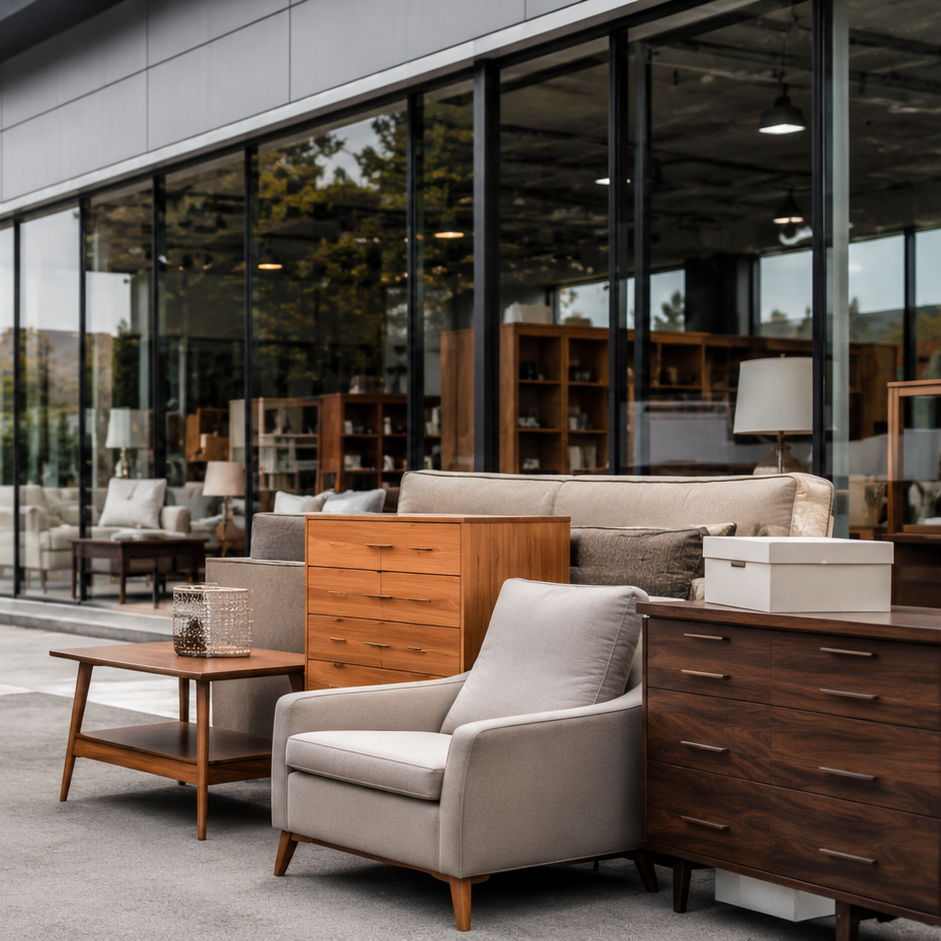
A single client project can pull furniture, lighting, rugs, and accessories from a dozen different vendors, each shipping on its own timeline.
Read More
A single client project can pull furniture, lighting, rugs, and accessories from a dozen different vendors, each shipping on its own timeline.
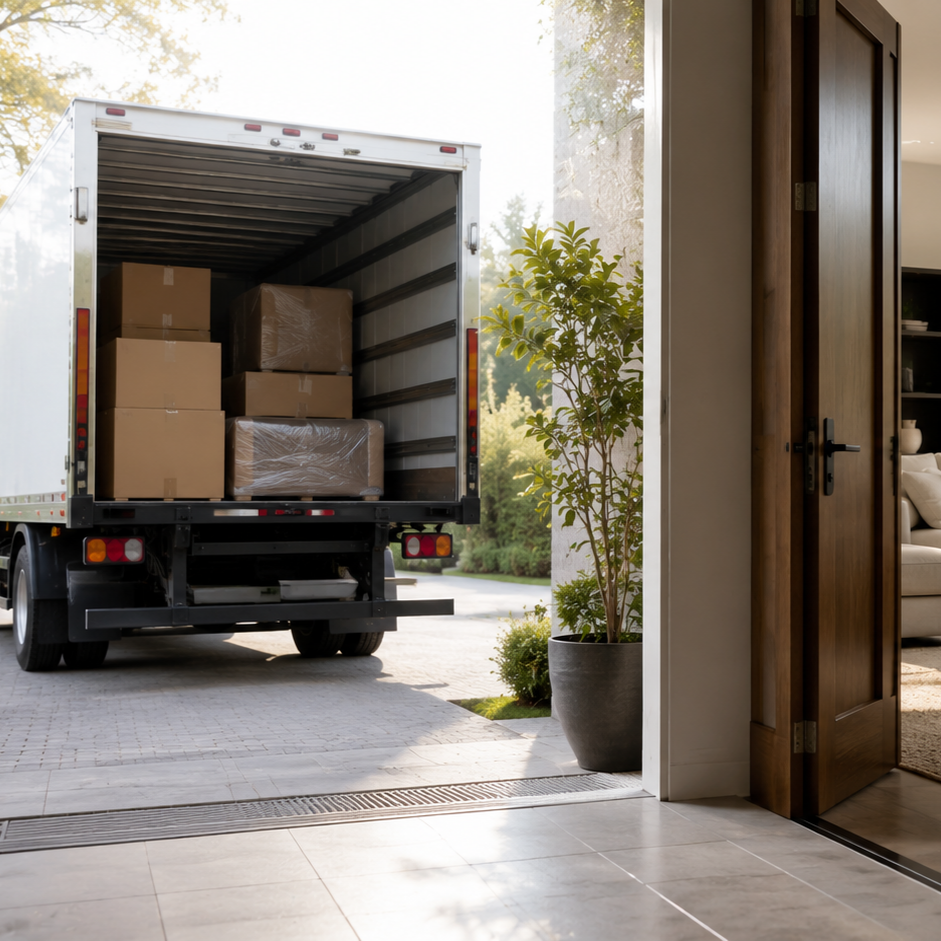
Read MoreA delivery truck idles at the curb with its side door open, and the sectional sofa inside has already spent the better part of an hour absorbing heat instead of moving toward your living room.
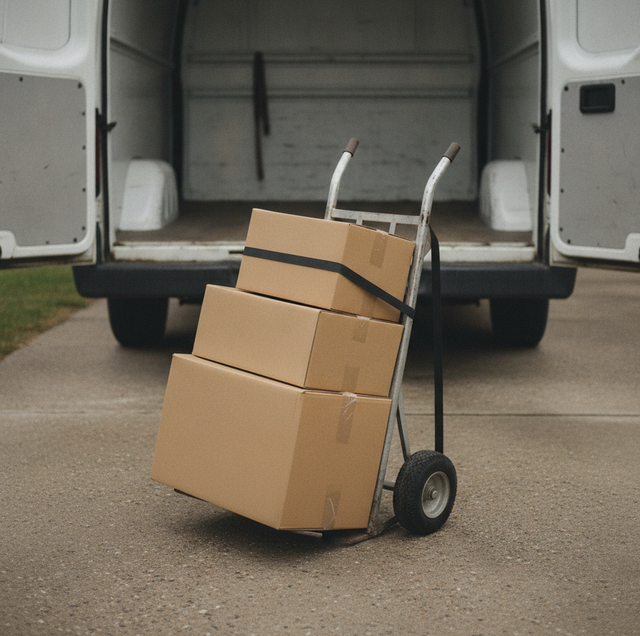
Read MoreTwo-person delivery, sometimes called two-man delivery, means a crew of two handles your item from the truck into your home rather than leaving it at the property line.
Read MoreFurniture delivery is best understood as a spectrum, not a set of unrelated products. Each level goes one step deeper into the home and does a little more of the labor.
Read MoreMost people measure the couch, glance at the door, and call it good. The couch clears the door width, so the assumption is that it clears everything. It does not work that way.
Read MoreA new sofa that will not clear the front door is the kind of problem you only discover at the worst possible moment: with two people holding one end, the truck idling at the curb, and a redelivery fee waiting on the other side of a wasted afternoon.
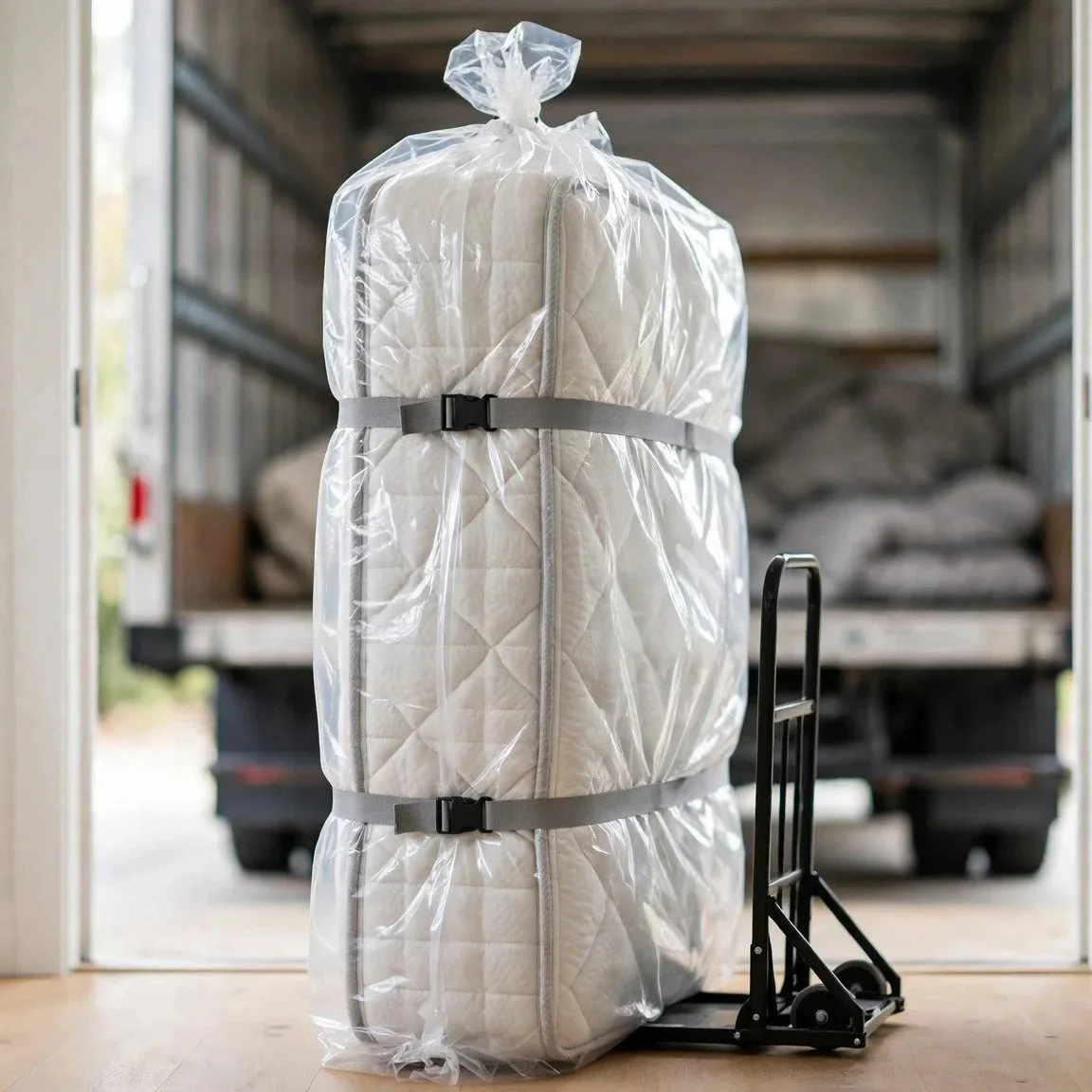
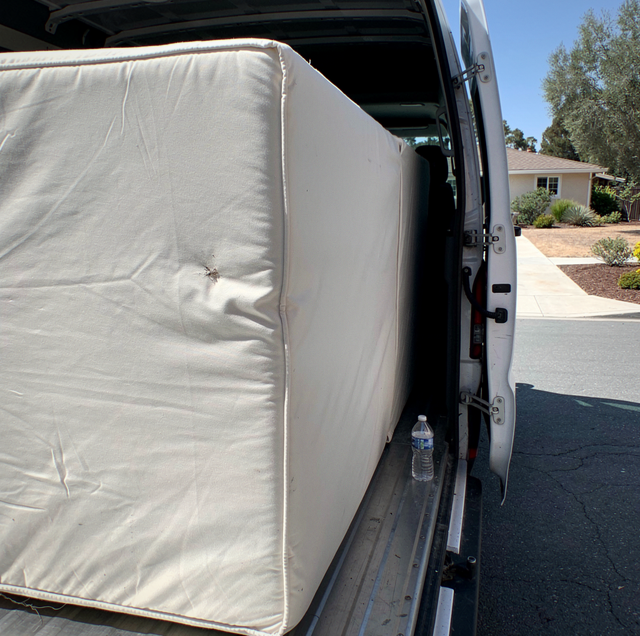
Read MoreMost of the ruin traces back to four moves. Bending an innerspring past its normal flex can kink or unseat the coils and the wire connectors that tie them together, and a kinked coil never springs back straight.
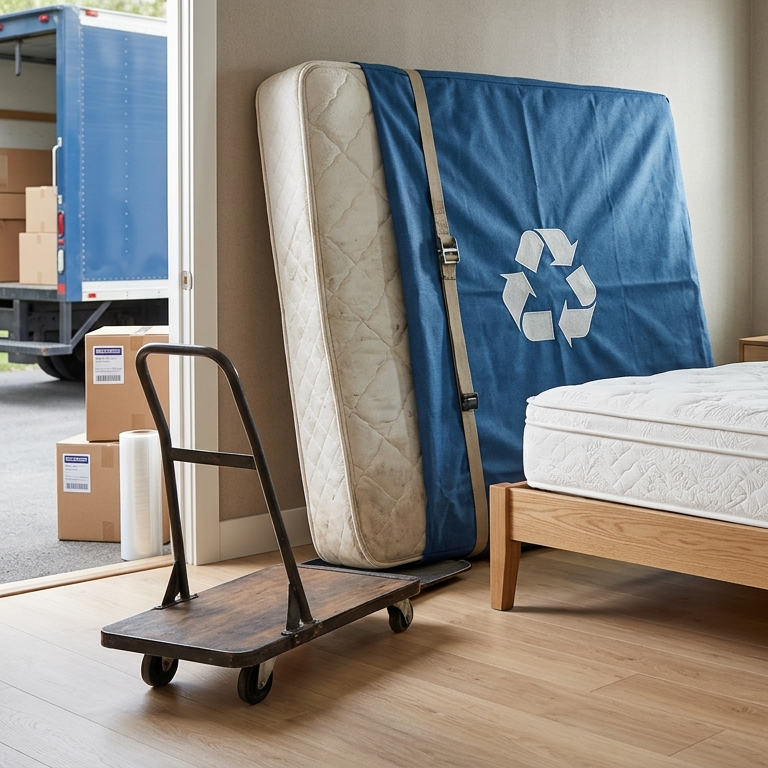
Read MoreA full in-home mattress delivery consists of two halves, and removal is only one of them. First comes the new mattress: the crew brings it into the room you designate, unboxes or unwraps it, and positions it on your existing frame or foundation so it is ready to use, not leaning in a hallway.
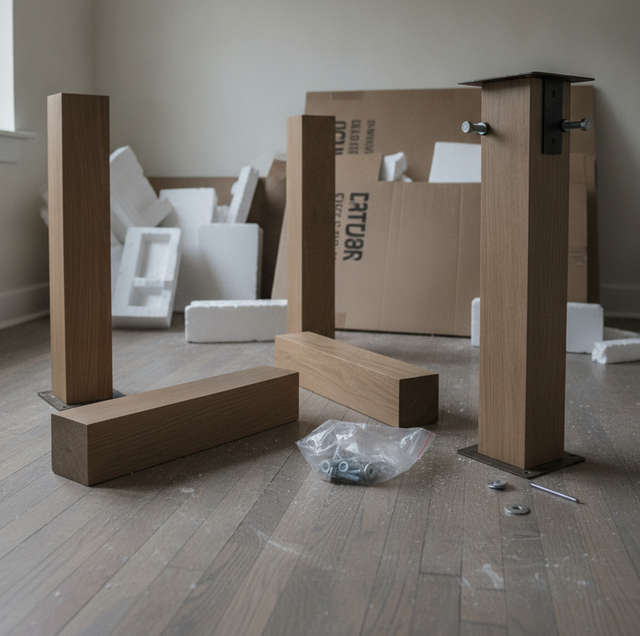
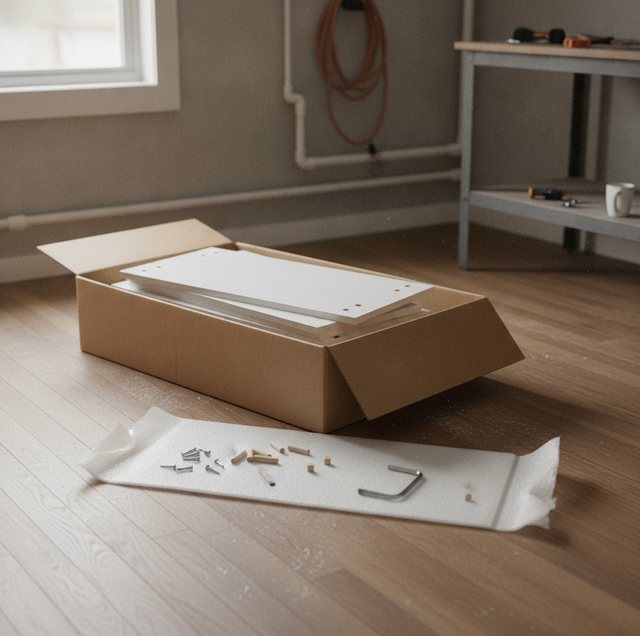
Read MoreSome crews carry the box to your door and nothing more. Others cut the packaging, bolt the frame together, set the piece where you want, and load the cardboard back onto the truck.
Read MoreWhen a big piece of furniture is on its way to you, the box on the truck is only half the story. How that item reaches its final spot in your home depends on which delivery model you chose, and the two common ones ask very different things of you.
Read MoreOutsourcing the final mile means a specialized partner, a third-party logistics or final-mile provider, handles the last leg of getting orders to your customers using their fleet, their people, and their systems.
Read MoreThe choice is between building delivery as part of your own operation or outsourcing it. Running it in-house means hiring your own drivers and delivery teams, operating your own trucks, and managing the whole delivery process yourself.
Read MoreAn in-home delivery, where the team brings the furniture into the room where it belongs, goes far more smoothly when the path is clear and the space is ready. Here's how to prepare your home so delivery day is quick, easy, and trouble-free.
Read MoreAt its core, white-glove means the crew handles everything from the truck to the finished placement in your room, so you're not left wrestling a sofa up the stairs or staring at a pile of boxes.
Read MoreMany stores choose to outsource it to a delivery specialist rather than run it themselves. Understanding what final-mile delivery is, and why retailers hand it off, explains a key decision in the furniture business.
Read MoreCurbside makes sense when the item and your situation are manageable. A small, light piece — a chair, a nightstand, a boxed bookshelf — that you can carry and assemble yourself, going into a ground-floor room, doesn't need a crew.
Read MoreThat frustration usually comes from trying to manage a process that looks simple on paper but falls apart fast without the right planning and people.
Read MoreSome myths paint professional movers as careless, while others exaggerate costs or timelines.
Read MoreA hand-carved armoire, a leather sectional tailored to perfection, or a marble dining table designed to impress cannot be treated like an ordinary piece during a move.
Read MoreBoth options fall under the commercial storage umbrella, but their differences can significantly affect operations, inventory management, and long-term growth.
Read More