
How to Protect Heat-Sensitive Furniture So It Arrives Undamaged
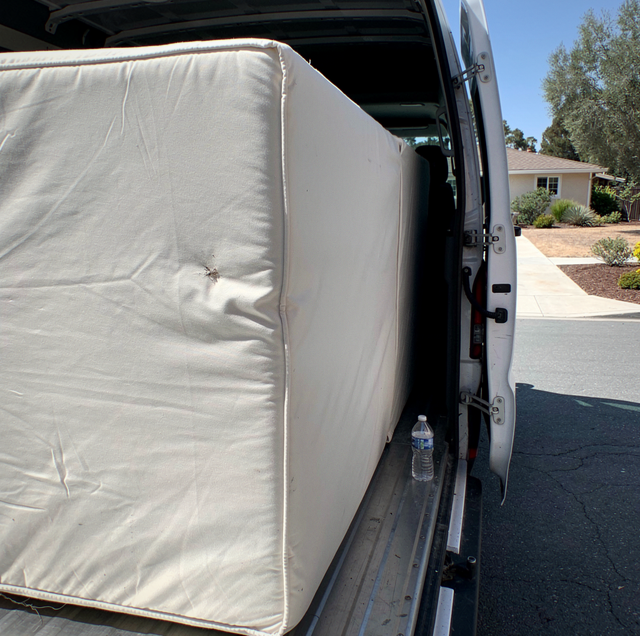
Why Heat Is a Risk in Transit, Not Just in the Hottest Months
A delivery truck idles at the curb with its side door open, and the sectional sofa inside has already spent the better part of an hour absorbing heat instead of moving toward your living room. That kind of exposure is worst during a stretch of triple-digit afternoons, but it isn't limited to them. A furniture piece can sit on a hot loading dock on an unusually warm spring day, get left near a sun-facing window during an early-fall delivery, or spend a long stretch on a truck that idles longer than planned because of traffic or a prior stop running late. Heat sensitivity is a property of the materials, not of the calendar, so the real question is how a piece is handled when ambient or in-vehicle temperatures climb, whichever month that happens to be.
The damage itself isn't dramatic in the moment. Wood glue doesn't fail with a snap, and leather doesn't crack on the truck. The risk is cumulative: repeated heat cycling softens adhesives, dries out natural oils, and stresses joints in ways that show up as a wobble, a crack, or a discoloration weeks after delivery day, long after anyone would think to connect it back to how the piece traveled.
Which Materials and Finishes Take the Worst Hit
Not every piece carries the same risk, and knowing which parts of a delivery are actually vulnerable helps you focus attention where it matters.
• Wood glue and veneer adhesive: Many wood joints rely on adhesives that begin to soften well below the temperature a closed truck bed can reach on a warm afternoon. A thin veneer bonded with contact cement is especially exposed because the adhesive layer sits just under the surface, closer to any heat the exterior absorbs.
• Leather and bonded leather: Leather holds natural oils that keep it flexible. Extended heat exposure increases the rate at which those oils evaporate, leaving the surface stiffer and more prone to cracking than a piece that traveled under moderate conditions.
• Upholstery fabric and dye: Heat combined with direct light accelerates dye fading and can leave uneven blotching, particularly on pieces stored or transported near a window or a truck's rear doors.
• Foam cushioning: Polyurethane foam loses some of its resilience with repeated heat exposure over time. A single hot afternoon won't ruin a cushion, but a pattern of heat cycling across storage and transit shortens how long it holds its shape.
• Engineered wood and particleboard: Heat paired with humidity swings, whether from a sudden storm system or a muggy stretch of weather, can cause substrate panels to swell slightly, which is often what's behind a drawer front that starts sticking a few weeks after delivery.
What Actually Happens Inside a Loaded Delivery Vehicle
A closed cargo box on a truck functions a lot like a parked car: with the doors shut and the sun on the roof, interior air temperature climbs well past whatever the thermometer says outside, and it climbs fast. A vehicle interior can gain a meaningful amount of heat within the first thirty minutes of sitting closed in direct sun, and it keeps climbing the longer it sits. A route with many stops in one day compounds this. Every extra minute a loaded truck waits at a curb between deliveries is another minute the cargo box keeps heating, and the item at the back of a full load may be the one that sits longest before it reaches a door.
This is also where load order matters more than most customers realize. A heat-sensitive piece loaded first and unloaded last spends the most time exposed. A driver who deliberately loads heat-sensitive items last so they come off the truck first reduces that exposure window meaningfully compared with a route planned around convenience alone.
Why Wrapping Material Changes the Outcome
Plastic shrink wrap looks protective, but it can work against a heat-sensitive piece. Once a wrapped item warms up, moisture from normal air humidity condenses on the inside of the plastic, and that trapped moisture sits directly against a wood finish or a leather surface for the length of the drive. On a lacquered finish, that combination of heat and trapped condensation can produce a cloudy haze within hours, something that doesn't happen the same way under a breathable moving blanket. Padded moving blankets let heat and moisture escape instead of holding both against the surface, which is why a crew that defaults to blankets over shrink wrap on anything with a finish or an upholstered surface is making a meaningful choice, not just a cosmetic one.
How a Careful Delivery Team Limits Exposure
A few practices separate a delivery handled with real attention to heat from one where it's an afterthought. Items awaiting dispatch should be kept in a temperature-controlled space rather than a non-climate-controlled dock or an outdoor staging area, especially items with veneer, leather, or a painted finish. On the truck, heat-sensitive pieces get loaded last and covered with breathable padding rather than plastic. On the route itself, a crew that limits how long the truck sits idle between stops and carries a piece straight from the truck to its destination room instead of leaving it staged in a driveway cuts the single biggest variable in the whole process: total time spent hot.
What You Can Do Before the Crew Arrives
Run your air conditioning so the indoor temperature is close to comfortable before the delivery window opens, rather than starting the unit cold when the truck pulls up. A big gap between a hot truck interior and a cold, over-air-conditioned room can cause its own problem: rapid temperature swings can briefly condense on cold stone or glass surfaces as they adjust, similar to a cold drink sweating on a warm table. Clear a direct path from the door to the room where the piece will sit, moving rugs, furniture, or clutter out of the way in advance, so the crew isn't standing in an open doorway with the piece exposed while they figure out the route. Every minute saved getting a hot piece off the truck and into a climate-controlled room is a minute it isn't absorbing more heat or losing moisture it needs.
What to Check the Moment It's Inside
Look over the piece with the crew present, before they leave, rather than after. Run a hand along any wood surface for tackiness or softness that shouldn't be there, check joints and connector brackets for looseness, and look at leather or fabric for stiffness, cracking, or uneven color that wasn't visible in a showroom photo. Note anything on the delivery paperwork immediately. A condition noted at the door, with the crew still present, is far easier to resolve than a defect discovered a week later with no record of the piece's condition on arrival.
Heat Damage That Doesn't Show Up Right Away
Some of the more frustrating heat-related issues aren't visible on delivery day at all. A glue joint that softened in transit may hold fine for a few weeks before it starts to creak or separate under normal use, once the adhesive fully cools and sets in a slightly weakened state. Veneer that absorbed heat can develop small bubbles or lifting at the edges days later as the adhesive continues to cure unevenly. Wood that swelled from a humid, hot stretch can shrink back as conditions normalize, sometimes leaving a joint looser than it started. If something starts sticking, creaking, or separating within the first month of a delivery, it's worth thinking back to how hot that day was and how the piece traveled, since that timeline aligns with the kind of delayed heat damage that doesn't show up in the first five minutes.
FAQs
Does cold weather cause similar problems for heat-sensitive furniture?
Yes, in a different way. Moving a piece from a cold, dry truck into a warm, humid house can cause condensation to form on lacquered wood, glass, and stone surfaces as they adjust to the new temperature, which can leave a temporary white haze on some finishes if the piece is used or covered before it fully acclimates. Letting a cold-shocked piece sit uncovered for an hour before use gives that condensation time to evaporate on its own.
How quickly can a closed delivery truck heat up on a hot day?
A closed cargo box with sun on the roof can climb well above the outside air temperature within the first thirty minutes, and it keeps climbing the longer the doors stay shut. That's part of why load order and route planning matter: an item sitting at the back of a full truck for the last stop of the day has been exposed far longer than one delivered first.
Which type of wood finish is most likely to bubble from heat?
Thin veneer bonded to particleboard, or MDF with contact cement, is more exposed than solid wood, because the adhesive layer sits just beneath the surface where it absorbs heat directly. A solid wood piece with mechanical joinery, such as doweled or mortise-and-tenon construction, tolerates heat cycling better than a veneered panel that relies entirely on an adhesive bond.
Can heat exposure during delivery affect a manufacturer's warranty?
It can, depending on the manufacturer. Some care instructions specify a storage and transit temperature range and note that damage from exposure outside that range isn't covered, which is worth checking on higher-end upholstery and case goods before assuming any heat-related issue will be repaired under warranty.
Are moving blankets always better than plastic wrap for heat protection?
For anything with a finish, exposed leather, or upholstery, yes, a breathable moving blanket is the better choice because it lets trapped heat and moisture escape rather than holding them against the surface. Plastic wrap still has a place for protecting hardware or preventing scuffs on unfinished sides, but it should not be the only layer when a finished or upholstered surface is exposed on a warm day.
Is it a problem to place new furniture near a window right after delivery?
Direct sunlight through glass can make the room run hotter than the outside air because the glass traps heat, similar to how a car interior heats up faster than the outside air. A piece placed directly in that path during its first days can show localized fading in a strip pattern more quickly than the rest of the room. Giving a new piece a few feet of clearance from direct afternoon sun for the first week or two, and rotating any cushions or throws, helps it age evenly.