
Receiving and Holding Client Furniture: How Designer Warehousing Works
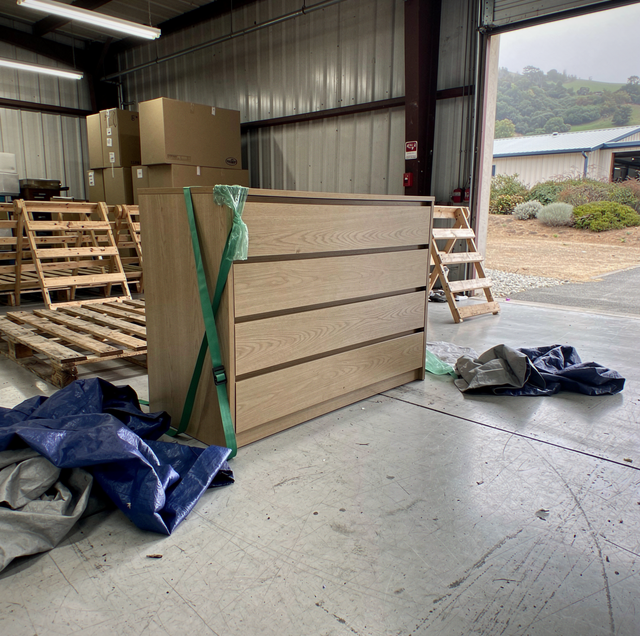
You have specified a sofa from one workroom, a pair of case pieces from another, custom drapery from a third, and a lighting order from a fourth vendor, all bound for the same project. None of them will arrive on the same truck, and most will never touch your client's front door directly. Before a single piece reaches the room it was chosen for, it needs somewhere to land, get checked over, and sit until the rest of the order is ready. That receiving and holding function is the working mechanics behind what people casually call "designer warehousing," and understanding how it operates changes how you plan a project timeline.
Setting Up the Order Before Anything Ships
The process starts before a vendor ever prints a shipping label. When you set up a project with a warehousing service, you typically provide vendor names, expected item counts, and a rough install window so the receiving team knows what to expect and can plan floor space accordingly. Each vendor then ships to the warehouse's address rather than the client's home, using a purchase order or job number as the reference point.
That reference number matters more than it sounds. Without it, an incoming crate is just a box with a shipping label; with it, the box becomes a specific line item tied to a specific room in a specific project. A receiving team working from a shared list of expected orders can flag a shipment the moment it's short, mislabeled, or missing a component, rather than discovering the gap when a client is standing in an empty room.
What Happens the Moment a Shipment Arrives
Freight carriers deliver to a loading dock, not a doorway, and their job ends at a signature. Once a crate or carton comes off the truck, a receiving team opens it, matches the contents against the order, and logs the condition of each piece. Item counts get checked against what the vendor's paperwork says should be inside, since a carton short one drawer pull or one set of hardware can hold up an install weeks later if it goes unnoticed now.
This intake step is also where a project starts building a paper trail you can actually use. Each piece is tagged by project and room, so a warehouse holding dozens of active jobs at once still knows which armchair belongs to which client without anyone having to guess from memory.
Catching Damage Before It Becomes Your Problem
Freight damage happens more often than most clients realize, and the timing of its discovery determines who deals with the fallout. A cracked leg, a torn arm panel, or a scuffed finish spotted at receiving becomes a vendor claim, filed with photos and a description while the piece is still in the warehouse and the shipping carrier's window to accept responsibility is still open. The same damage discovered after install day becomes a client complaint aimed squarely at you, with a much thinner paper trail to support a claim.
Concealed damage, the kind hidden inside a crate or under padding rather than visible from the outside, gets missed most often when nobody unpacks a shipment until delivery day. A receiving process built around opening and inspecting every order at intake, rather than at the last possible moment, is what closes that gap. Photos taken at receiving give you something to point to if a client asks whether an item arrived in its current condition, and they give the warehouse something to hand back to a vendor if a claim needs to be filed.
Why the Hold Space Has to Be Climate Controlled
Furniture is not freight-grade cargo. Wood veneers can lift or crack when humidity swings, upholstery foam and fabric can pick up odors and mildew in damp storage, and finishes like lacquer and leather are sensitive to heat well below what would damage a cardboard box of hardware. Extreme summer heat is the mechanism that matters most in a standard storage unit or an uncooled trailer: temperatures inside an unconditioned space can climb high enough to soften adhesives, warp veneer, and dry out leather within a matter of days, long before an install date arrives.
A warehouse built around storing furniture treats climate control as a baseline requirement rather than an add-on, keeping temperature and humidity within a narrow range regardless of the outside season. That distinction only shows up when something goes wrong, which is exactly why it needs to be confirmed before you commit a client's order to a hold period rather than after a delivery day reveals a warped drawer front.
Staging a Multi-Room or Multi-Phase Project
A full-house project rarely finishes shopping all at once. A primary suite order might clear the warehouse in six weeks while a home office order trails by two months, and a kitchen banquette waits on a custom fabric that ships separately from the frame. Warehousing exists to absorb that mismatch. Instead of every vendor's shipment triggering its own delivery attempt, items get grouped by room and by phase, so a whole room's worth of furniture waits together until it's ready to move as one unit.
That grouping is what makes phased delivery possible without turning a project into a string of disconnected drop-offs. You can choose to release a primary bedroom the moment it's complete, while a still-incomplete dining room remains in inventory, giving a client a livable space early without forcing a premature, half-finished delivery on rooms that aren't ready yet.
Coordinating Partial Deliveries Without Disrupting the Household
Staged delivery only works smoothly when it's planned, not improvised at the last minute. A warehousing partner tracking inventory by project can tell you, at any point, exactly what's on hand, what's still in transit, and what a client is waiting on, which lets you decide deliberately whether to schedule a partial delivery or hold everything for one visit.
There's a real trade-off here worth weighing on a case-by-case basis: a partial delivery gets furniture into a room sooner but means a second visit, a second set of packaging to remove, and a second disruption to the household. Waiting for full completion means one clean visit but a longer stretch with an unfinished room. Neither choice is automatically correct; a warehouse that provides accurate inventory status lets you make that call based on real information rather than a guess about what's probably arrived.
What Placement Day Actually Looks Like
Once a room, or a full project, is ready, the pieces held in inventory move as a single coordinated delivery. Crews arrive with a floor plan in hand, place furniture where it's meant to go, assemble anything that ships knocked down, and handle final touches like leveling feet or attaching hardware on-site. Packaging, blankets, and pallets typically leave with the crew, so the reveal is a finished room rather than a room full of furniture surrounded by cardboard.
Scheduling that day around a client's calendar, building access rules, and site restrictions, such as a reserved freight lift in a condo building or a narrow staircase in an older home, is where the earlier receiving and holding work pays off. Because everything already arrived, got checked, and sat ready in inventory, the placement crew isn't waiting on a late vendor shipment on the one day that has to go right.
Getting the Most Out of a Warehousing Partnership
The projects that run most smoothly are the ones where the warehouse is looped in before the first purchase order ships, not after a scheduling conflict already exists. Sharing your full vendor list, expected item counts, and a realistic installation window up front lets the receiving team plan space and flag gaps early, rather than reacting to surprises. Flagging oversized or fragile pieces ahead of time, such as a stone-top console or an oversized mirror, ensures those items receive the specialized handling they need from the moment they arrive, rather than after a scare in the warehouse aisle.
Used well, this kind of receiving and holding process turns a scattered set of vendor shipments into a single accountable system you can build a project timeline around, with a single, clean delivery day at the end.
FAQs
What information does a warehouse need before vendor orders start shipping?
A vendor list, expected item counts, and a target install window are the basics. Providing a purchase order or job number for each shipment lets the receiving team match incoming freight to the right project the moment it arrives, rather than sorting it out after the fact.
How is furniture actually inspected when it arrives at a warehouse?
Each carton or crate gets opened, checked against the order, and reviewed for visible and concealed damage before it's logged into inventory. Photos taken at that point create a record of the item's condition upon arrival, which supports a vendor claim if an issue needs to be reported.
What makes climate control necessary for holding furniture and decor?
Wood veneers, upholstery, and finishes such as leather and lacquer react to heat and humidity swings in ways that plain storage doesn't protect against. A space built to hold furniture keeps temperature and humidity steady regardless of the season, protecting glue joints, fabric, and finishes during the hold period.
Can part of an order be delivered before the rest of a project is ready?
Yes, when inventory is tracked by room and by phase. A completed bedroom or living room can be released for delivery while other rooms in the same project continue to wait in storage, though each partial delivery does mean an additional visit and packaging removal.
Who is responsible if an item is damaged while it's being held in storage?
A warehouse handling, receiving, and holding on your behalf should carry its own coverage for items in its custody and document condition at intake specifically so responsibility is clear if damage shows up later. That documentation is also what supports a claim against a carrier if the damage happened in transit rather than in storage.
What should a client expect on the day everything finally gets delivered?
A single coordinated visit: furniture placed according to a floor plan, assembly handled on-site, and packaging removed before the crew leaves. Because items were received, checked, and held in advance, the day is built around placement rather than waiting on a late shipment.