
How Interior Designers Use a Delivery and Warehousing Partner
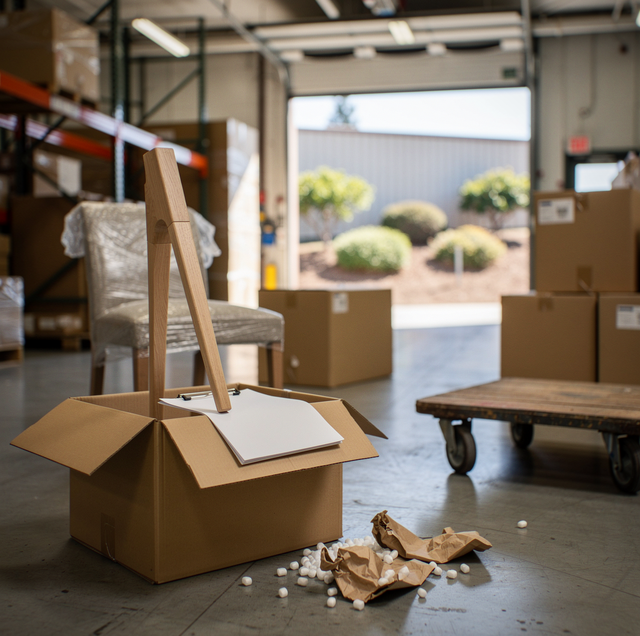
A single client project can pull furniture, lighting, rugs, and accessories from a dozen different vendors, each shipping on its own timeline. If you have ever tracked six purchase orders across six carriers while trying to hold an install date, you already know the real work of design isn't just selecting pieces. It's getting all of them into one room, on one day, in the right condition. That coordination problem is exactly what a delivery and warehousing partner is built to solve.
Why Multi-Vendor Projects Need a Middle Step
Most furniture and decor orders don't ship direct to a client's home. Manufacturers build to order, freight carriers consolidate loads, and delivery windows get set weeks or months out. When you're sourcing from several vendors for one room, those windows almost never line up. A sofa might clear the dock in early October, while the matching side chairs sit backordered until December, and the light fixture from a third vendor could arrive damaged, requiring a replacement claim before it ever reaches the project.
Without a receiving point between the freight dock and the client's front door, you're stuck choosing between two bad options: schedule a series of piecemeal deliveries that disrupt the household repeatedly, or wait for every last item before scheduling anything, which can stall a project for weeks over one slow vendor. A dedicated receiving and holding partner removes that choice entirely. Every order lands in one place, gets checked in against your purchase order, and waits until you're ready to schedule the whole room at once.
What Happens When an Order Arrives
Freight carriers typically deliver to a commercial dock, not a front door, and their drivers rarely inspect for damage beyond getting a signature. When a delivery and warehousing partner receives a shipment on your behalf, the process looks different. Each carton is logged against the purchase order it belongs to, so there's a record of what arrived and when. Pieces get inspected for shipping damage before they're accepted into inventory, which matters because filing a freight claim requires documentation from the time of receipt, not a description pieced together after the fact. Catching a cracked leg or a scratched tabletop at receiving, rather than discovering it in the client's living room, is the difference between a quiet exchange and an awkward install-day conversation.
Fragile or high-value items are typically logged with photos at intake, giving you a record you can reference if a question later comes up about condition or count. That documentation step is quiet, unglamorous work, but it's what prevents a designer from getting caught between an unhappy client and a vendor who wants proof the damage happened before delivery.
Holding Inventory Until the Room Is Ready
Once items are received, the warehousing side of the partnership takes over. Rather than each vendor's shipment arriving on its own schedule, pieces sit in inventory, tagged and tracked by project, until every element for a room or a full house is accounted for. This is where the value compounds for a working designer: you're no longer managing a dozen separate delivery appointments or asking a client to accept partial furniture drops that leave a room half-finished for weeks.
Climate matters here too. Wood furniture, upholstery, leather, and certain finishes are sensitive to heat and humidity fluctuations, and storing those pieces in a non-climate-controlled space for any length of time can affect the finish, glue joints, or fabric before a client ever sits on the piece. Extreme summer heat in particular can put stored goods at risk if they're sitting in a standard storage unit or an uncooled truck rather than a space built to hold temperature-sensitive inventory. A warehousing partner built around furniture, rather than general freight, treats that as a baseline requirement, not an upgrade.
Inventory tracking during the hold period also gives you a straight answer when a client asks for a project status update. Instead of calling three vendors to piece together what's shipped and what hasn't, you can get a single accounting of what's on hand, what's still in transit, and what's ready to schedule.
Coordinating the Install-Day Delivery
The payoff for all that receiving and holding is a single, coordinated delivery day. Rather than a parade of separate trucks over several weeks, everything staged for a room, or a full house, moves in one visit. Crews bring in pieces, place them according to your floor plan, and handle assembly where needed, so the day reads as a finished reveal rather than a slow trickle of boxes.
That single-day approach matters for the client relationship as much as the logistics. A homeowner who has been living around moving blankets and partial furniture for a month experiences the project very differently than one who leaves for the day and comes home to a finished room. Coordinating around a client's schedule, building access, and any site restrictions, like reserved building access in a condo or a narrow stairwell in an older home, is part of what makes that single-day delivery work instead of turning into a logistics scramble on the day itself.
Route Planning and Timing in a Spread-Out Service Area
Scheduling a multi-item install across a large metro area is its own puzzle. A sprawling service territory means drive time between stops is a real factor in how a delivery day gets built, and a partner who plans routes around that reality can hold a tighter appointment window instead of giving you a vague half-day estimate. Seasonal storm patterns add another layer during certain stretches of the year, when heavy rain can affect road conditions and the handling of items being carried between a truck and a front door. A partner who builds timing and protection around those seasonal patterns is less likely to hand you a rescheduled delivery the week before a client walkthrough.
Working the Partnership into Your Project Timeline
The most effective way to use a delivery and warehousing partner is to loop them in early, not once every vendor order has already shipped. Sharing your projected installation date, your full vendor list, and any site access details up front lets the partner plan the receiving window and the eventual delivery route around your actual schedule, rather than reacting to it. It also means fragile or oversized pieces (an upholstered headboard, an oversized dining table, a mirror that needs blanket-wrapping) get flagged for specialty handling before they ever leave a vendor's dock.
Communication during the hold period matters just as much. A partner who can tell you exactly what's arrived, what's still pending, and the condition of each piece gives you the information you need to manage client expectations without guessing. That's the real function of this kind of partnership: it turns a scattered set of vendor shipments into one accountable process you can plan a project around, from the first purchase order to the day the last piece is placed in the room.
FAQs
How far in advance should I schedule a warehousing partner for a project?
Lead time depends on scope. A single replacement piece can often be scheduled within a few days of receipt, while a full room or a whole-house project benefits from looping the partner in before the first purchase order ships, so that warehouse space is planned around the whole job rather than one item at a time. If your installation date slips, a good partner simply extends the hold and rebooks the delivery once the new date is set, rather than making you restart the process.
Can a delivery and warehousing partner accept items on my behalf if I'm not on-site for the delivery?
Yes, that's part of the value. A receiving service is designed to accept freight deliveries during business hours without requiring you or your client to be present for each vendor's drop-off.
What happens if an item is missing from an order when it's checked in?
A missing item is logged against the purchase order at intake, providing documentation to reference when following up with the vendor, rather than discovering the shortage on install day.
Do I need to provide anything special for oversized or fragile pieces before they ship?
Specialty handling isn't just a label on a shipment: it changes how a piece is treated in practice. That can mean assigning a second crew member for a two-person lift, adding an extra layer of protective wrapping before the piece goes into storage, and giving it a closer visual inspection both at intake and again right before it goes out for delivery.
Can multiple client projects be tracked separately if I have more than one job running at once?
Yes. Items are tagged and tracked by project number rather than just by client name, so a warehouse holding pieces for several different rooms at once doesn't rely on someone remembering which sofa belongs to which address. If you need a status check partway through a project, a good partner can give you an itemized rundown for just that job, without making you sort through everything else in the warehouse to get an answer.
What happens if a design changes after some pieces are already sitting in the warehouse?
It happens more often than a designer might expect. A client swaps a dining table for a different finish or changes their mind about a rug mid-project. A partner already holding the rest of the order can typically update the pull list to include the new piece and fold it into the same hold, rather than making you restart the receiving process, as long as you loop them in before delivery day gets scheduled.
A good delivery and warehousing partner works quietly in the background, handling receiving, holding, and staging so a designer stays focused on the room itself rather than freight schedules. Treated as an extension of your own process rather than one more vendor to manage, that behind-the-scenes coordination is what lets an install day read as a finished reveal instead of a logistics event.