
What Is Final-Mile Delivery — and Why Stores Outsource It
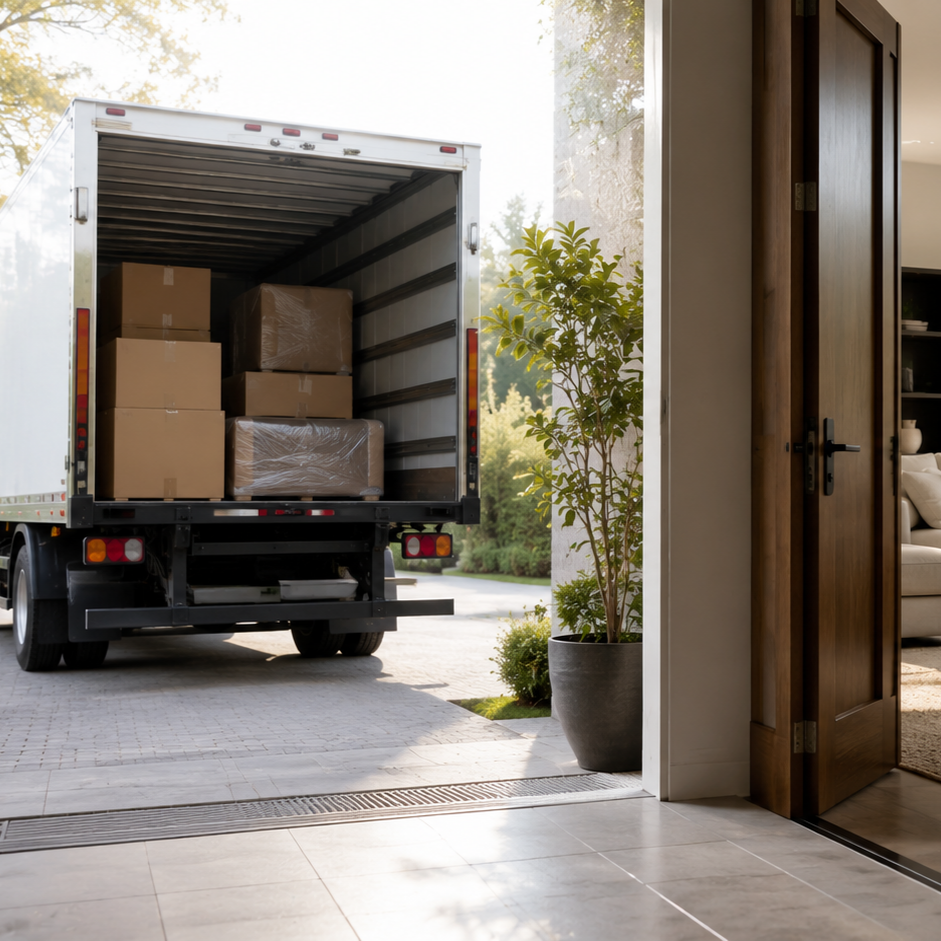
For a furniture retailer, the sale isn't really complete until the piece is in the customer's home — and that last step, the final-mile delivery, is both the most visible part of the experience and one of the most demanding to execute. Many stores choose to outsource it to a delivery specialist rather than run it themselves. Understanding what final-mile delivery is, and why retailers hand it off, explains a key decision in the furniture business.
What Final-Mile Delivery Is
Final-mile delivery — also called last-mile delivery — is the last leg of a product's trip to the customer: getting it from the local warehouse, store, or distribution hub to the customer's door and into their home. For furniture specifically, this often goes beyond just dropping a box at the curb. It frequently means bringing the piece into the home, placing it in the correct room, and sometimes assembling it and removing the packaging — a higher-touch service often called white-glove delivery. So final-mile delivery for furniture is the hands-on, in-home conclusion of the buying process, handling the large, heavy, often valuable items all the way to where the customer wants them.
Why It's the Part Customers Judge
Final-mile delivery matters disproportionately because it's the part of the entire process that the customer directly experiences. They don't see the manufacturing, the shipping, or the warehousing — but they absolutely experience the delivery team arriving at their home, handling their new furniture, and placing it in their room. A smooth, professional, careful delivery leaves a great final impression and reflects well on the store; a late, damaged, or unprofessional delivery sours the whole purchase, no matter how good the product or the showroom experience was. So the final mile is where customer satisfaction is won or lost, making how it's handled critically important to a furniture retailer's reputation.
| Aspect of final-mile delivery | Why it's demanding |
|---|---|
| Trucks and equipment | Requires a delivery fleet and gear |
| Trained delivery teams | Handling heavy items in homes safely |
| Scheduling and routing | Coordinating deliveries efficiently |
| Insurance and liability | Working in customers' homes |
| Customer experience | The part customers judge the store on |
Why It's Demanding to Run
The reason final-mile delivery is challenging is that it's operationally complex and quite different from selling furniture. Running it well requires delivery vehicles and equipment, trained teams who can handle heavy furniture safely and professionally in customers' homes, scheduling and routing systems to coordinate deliveries, insurance and liability coverage for working in homes and handling valuable goods, and the management to keep it all running. It's essentially a logistics operation, with all the cost, staffing, and complexity that implies. For a furniture store whose core business is selecting and selling furniture, building and running that delivery operation is a significant undertaking outside its main expertise.
Why Stores Outsource It
Given that complexity, many furniture stores outsource final-mile delivery to a specialist that focuses on it. The reasons are compelling. Outsourcing lets the store offer professional, quality delivery without the cost and burden of buying trucks, hiring and training delivery teams, managing scheduling, and carrying the insurance and overhead of an in-house operation. It lets the store stay focused on its core business — selling furniture — while a partner who specializes in delivery handles the logistics. A specialized delivery partner brings trained teams, equipment, and processes to deliver final-mile services well, protecting the customer experience that reflects on the store. So outsourcing is often a way to get professional delivery and a good customer experience without the expense and distraction of running the operation in-house.
Why the Right Final-Mile Partner Matters
Because the final mile is what customers judge the store on, the quality of the delivery directly affects the retailer's reputation and reviews. That makes outsourcing not just about offloading a burden, but about ensuring the delivery is done well, which means choosing a capable, professional delivery partner. A good final-mile partner protects the customer experience the store has worked to build, delivering furniture carefully, professionally, and on schedule, so the customer's final impression is positive. A poor delivery, by contrast, can undo all the goodwill of the sale. So for furniture stores, outsourcing final-mile delivery is about pairing the convenience and cost savings of not running it in-house with a partner who handles this customer-facing step properly.
FAQs
What is final-mile delivery?
Final-mile (or last-mile) delivery is the last leg of getting a product from a local warehouse, store, or hub to the customer's home. For furniture, it often means bringing the piece inside, placing it in the correct room, and sometimes assembling it and removing packaging — a higher-touch white-glove service. It's the hands-on, in-home conclusion of the buying process, handling large, heavy items all the way to where the customer wants them.
Why is final-mile delivery important for furniture stores?
Because it's the part of the entire process that the customer directly experiences and judges. They don't see manufacturing or shipping, but they experience the delivery team in their home, handling and placing their furniture. A smooth, professional delivery leaves a great impression, while a poor one sours the whole purchase. So the final mile is where customer satisfaction is won or lost, making it critical to a store's reputation.
Why do furniture stores outsource delivery?
Because running final-mile delivery is operationally complex and outside their core business of selling furniture. It requires trucks, trained teams, scheduling, insurance, and management — essentially a logistics operation. Outsourcing to a specialist lets the store offer professional delivery without the cost and burden of running it in-house, stay focused on selling furniture, and rely on a partner who does delivery well to protect the customer experience.
What's the difference between final-mile and white-glove delivery?
Final-mile delivery is the last leg to the customer's home. White-glove delivery is a higher-touch version of final-mile service that, for furniture, typically includes bringing the piece into the home, placing it in the correct room, assembling it if needed, and removing the packaging. So white-glove is a premium, full-service form of final-mile delivery, going beyond simply dropping the item off to handling it all the way into place.
Is outsourcing delivery cheaper than doing it in-house?
It often is, because it avoids the cost of buying and maintaining trucks, hiring and training delivery teams, managing scheduling, and carrying insurance and overhead for an in-house operation. Rather than building and running a logistics operation, the store pays a specialist to handle it. Beyond cost, outsourcing also lets the store focus on its core business and rely on a partner's delivery expertise.
How does delivery affect a store's reputation?
Significantly, because the delivery is a part of the purchase that the customer directly experiences and judges. A careful, professional, on-time delivery leaves a positive final impression that reflects well on the store, while a late, damaged, or unprofessional delivery can undo the goodwill of the sale and lead to poor reviews. This is why the quality of final-mile delivery — and the partner handling it — matters so much to retailers.
The Final Mile Is Where Reputation Is Made
Final-mile delivery is the last, in-home leg of getting furniture to the customer — and it's the part they actually experience and judge. Because running it well demands trucks, trained teams, scheduling, and insurance, many furniture stores outsource it to a specialist, gaining professional delivery without the cost and complexity of doing it in-house. Since this step makes or breaks the customer's impression, the right delivery partner protects the reputation the store has worked to build.