
The Training Behind Skilled Furniture Handling and Delivery
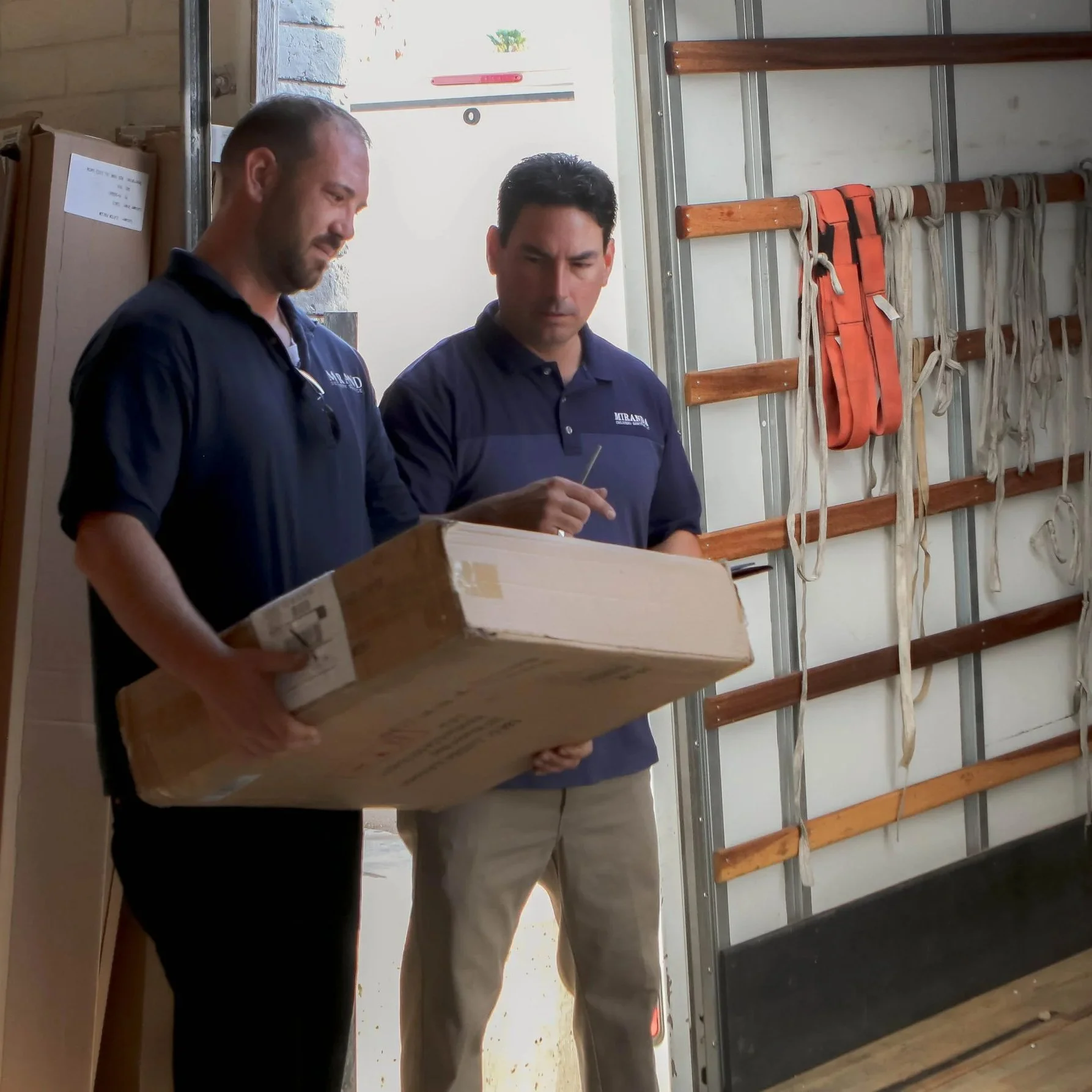
Professional movers spend time learning the fundamentals: body mechanics, lifting techniques, and how to protect themselves and the furniture they handle.
Behind the process of moving lies training that starts long before anyone carries a couch down a flight of stairs. Professional movers spend time learning the fundamentals: body mechanics, lifting techniques, and how to protect themselves and the furniture they handle. Strength is useful, but it is not the main skill. Training teaches movers how to use leverage, angles, and teamwork to safely maneuver bulky items. A recruit may think lifting with sheer force works, but they soon discover that technique matters more than muscle.
Mastering Equipment And Tools
Every mover quickly becomes familiar with the tools of the trade. Straps, dollies, sliders, and pads look simple, but using them correctly requires practice. Training covers how to strap down heavy appliances without crushing delicate parts and how to roll loaded dollies without losing balance on uneven terrain. Furniture pads are not tossed randomly; they are wrapped with precision so surfaces remain scratch-free. Movers learn to operate ramps and lift gates smoothly, avoiding sudden shifts that could damage both furniture and backs. Each tool becomes an extension of the mover, making difficult jobs not only possible but efficient.
Protecting Furniture Like A Professional
Customers often worry about scratches, dents, or chips when their furniture is in transit. Training prepares movers to handle those concerns by teaching protective wrapping methods that keep furniture safe through every stage. Thick blankets are folded and taped to shield edges, and glass pieces are cushioned with extra care. Even sturdy items, such as wooden dressers or metal bed frames, are treated with respect. Behind the process of moving lies an understanding that furniture represents both financial and sentimental value. Movers see beyond the object and focus on protecting the memories attached to it.
Navigating Tight Spaces
Staircases, narrow doorways, and sharp corners present some of the greatest challenges during a move. Professional movers spend time learning how to visualize pathways before lifting. Training emphasizes planning the route, coordinating with teammates, and pivoting at just the right moment. Carrying a sectional sofa through a narrow hallway is like solving a real-life puzzle, and movers are the experts who know the solution. Mistakes lead to damaged drywall or scuffed furniture, so practice sharpens their ability to predict obstacles and guide items smoothly through tight spaces. Customers often watch in amazement as a piece they thought impossible to move suddenly glides through the opening with precision.
Building Physical Stamina
Strength alone does not carry a mover through an entire day of lifting and carrying. Endurance training becomes just as important. Moving professionals often compare their work to an athletic event. A full day may involve climbing multiple flights of stairs, loading trucks under the sun, and carefully unloading in the evening. Training focuses on pacing, hydration, and safe lifting practices that protect the body from injury. By building stamina, movers complete long days without losing focus or efficiency. Their physical conditioning is part of what makes them reliable day after day.
Developing Team Communication
Teamwork sits at the heart of moving. Training emphasizes communication skills as much as technical know-how. Movers learn to call out commands clearly, use hand signals when noise drowns out voices, and trust each other during heavy lifts. Miscommunication can mean more than a dropped sofa; it can lead to injuries or property damage. Professional training programs often include practice drills in which movers coordinate their timing to lift, turn, and set items down safely. Behind the process of moving is an unspoken rhythm, a kind of dance where each mover knows their role and trusts their partner.
Handling Specialty Items
Not every move involves standard couches and bookshelves. Training covers specialty items such as pianos, antiques, and oversized furniture. Each requires unique strategies. Movers practice disassembling complex bed frames, padding fragile antiques, and balancing heavy safes on dollies designed for extreme weight. Specialty training prepares movers to walk into any home or office and adapt to unusual challenges. Customers rely on their expertise to relocate prized possessions that cannot simply be replaced. Professionals know how to approach these situations with confidence and calm, turning what looks impossible into a smooth operation.
Adapting To Unexpected Challenges
Even the best-planned moves come with surprises. Training teaches movers how to stay flexible under pressure. A sofa may refuse to fit through the intended doorway, or an elevator might suddenly be out of service. Professional movers are trained to problem-solve quickly, whether that means dismantling a piece of furniture, rerouting the path, or using specialized equipment. Calm adaptability is part of the skillset. Customers rarely see the behind-the-scenes training that allows movers to stay composed, but they benefit from the quick solutions that keep the move on track.
Customer Interaction And Professionalism
Furniture handling is not just physical; it involves people skills. Training prepares movers to interact with customers who may feel anxious about their belongings. Movers learn how to explain their process, reassure clients, and maintain professionalism even when challenges arise. Humor often helps ease stress, and friendliness builds trust. Professional services are built on more than lifting strength; they depend on creating positive customer experiences. Behind the process of moving lies a balance between physical work and emotional reassurance.
Prioritizing Safety
Safety training runs through every part of the moving process. Movers learn to watch for slippery driveways, loose steps, and sharp corners. Gloves, steel-toed shoes, and back braces are standard gear. Safe lifting techniques are drilled into every trainee until they become second nature. Protecting the crew is as important as protecting the furniture. An injured mover slows the entire team, so training prioritizes safety. By following strict safety practices, movers complete jobs without accidents, which benefits both the crew and the customer.
Learning Truck Loading And Logistics
Packing a moving truck is not as simple as stacking boxes and sliding in furniture. Training covers weight distribution, layering, and securing loads. A well-loaded truck rides smoothly, while a poorly loaded one risks shifting items and potential damage. Movers practice loading strategies that place heavier items at the bottom, distribute weight evenly, and use straps to lock everything in place. They learn how to maximize space while protecting each item from friction or tipping. The skill of truck loading is often overlooked but represents one of the most critical parts of a successful move.
The Value Of Experience
Formal training lays the foundation, but experience shapes expertise. Over time, movers refine their instincts, knowing when to tilt an armoire slightly or when to break down a piece of furniture entirely. Experience teaches them how to read a customer’s stress and respond with reassurance. Training may start in a classroom or warehouse, but the real lessons unfold in homes, apartments, and offices. Behind the process of moving lies a cycle of continuous learning in which every job adds to a mover’s skill set.
Professional Pride In The Craft
Professional movers take pride in their work because it represents more than a paycheck. Training instills a sense of responsibility for protecting both possessions and peace of mind. Customers often remember the day of a move for years, and the professionalism of the movers becomes part of that memory. Skilled handling and friendly interaction create experiences worth recommending. Professional movers see their role not just as labor but as a craft built on training, discipline, and care.
The Lasting Impression
After the final box is unloaded and the last piece of furniture is placed, movers leave behind more than objects in a new space. They leave behind reassurance that the process was handled smoothly, safely, and with respect for both people and possessions. The training behind skilled furniture handling makes that possible. Behind the process of moving is a combination of preparation, teamwork, and professionalism that transforms a stressful day into a successful transition.
Furniture stores services at Miranda Delivery Service encompass comprehensive furniture delivery and assembly services across Arizona. From convenient scheduling and affordable pricing to last mile delivery, we provide exceptional services that have helped us earn our clients’ trust. We also provide warehousing services. Call today to get started.