
Climate-Controlled Storage vs. Traditional Storage: What Businesses Should Know
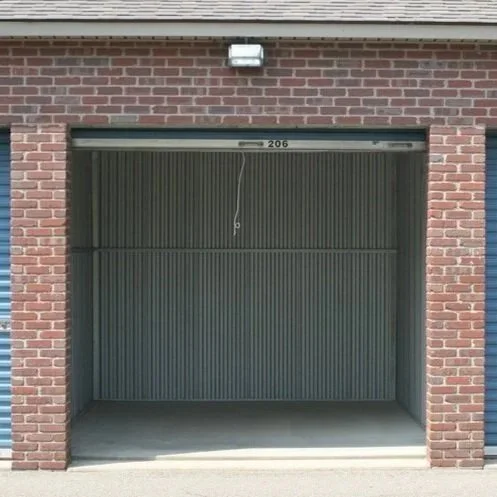
Both options fall under the commercial storage umbrella, but their differences can significantly affect operations, inventory management, and long-term growth.
Understanding The Difference Between Storage Types
Storage is not a one-size-fits-all solution, and businesses often face the decision between climate-controlled and traditional storage. Both options fall under the commercial storage umbrella, but their differences can significantly affect operations, inventory management, and long-term growth. The choice depends on what a company values most: protection, cost, flexibility, or all of the above.
Traditional storage operates as a straightforward solution. It provides a secure place to store products, tools, or equipment without additional temperature or humidity controls. Climate-controlled storage, on the other hand, acts like a carefully managed environment designed to protect sensitive materials from fluctuating weather conditions. Understanding these differences helps businesses make smarter decisions and avoid costly mistakes.
Why Climate Control Matters
Not every product thrives in a standard warehouse. Electronics, textiles, pharmaceuticals, artwork, and even certain types of packaging materials can warp, degrade, or spoil when exposed to excessive heat, cold, or humidity. A climate-controlled commercial storage facility regulates temperature and moisture levels, creating an ideal environment year-round.
Imagine storing high-end leather goods in a warehouse that feels like a sauna in July. The result is cracked leather, faded color, and disappointed customers. Climate-controlled storage prevents those problems by maintaining steady conditions. It functions more like a protective cocoon for valuable inventory than a warehouse.
When Traditional Storage Makes Sense
Traditional storage still has its place. Not every business needs advanced environmental controls. Machinery, construction materials, bulk paper products, and many packaged consumer goods perform just fine in a traditional setting. For companies seeking cost-effective ways to store durable items that are not affected by environmental shifts, traditional storage remains a practical choice.
Traditional facilities often appeal to businesses in need of large square footage at a lower price point. They can accommodate oversized items, seasonal overflow, or goods that simply do not require climate protection. When used strategically, traditional storage can free up climate-controlled space for items that truly demand it.
The Role Of Commercial Storage In Business Efficiency
The debate between climate-controlled and traditional storage highlights a larger truth: commercial storage is about more than stacking boxes. It directly influences how efficiently a company operates. Disorganized or inappropriate storage choices can slow fulfillment, damage goods, and create bottlenecks. Professional services in commercial storage solve those challenges by tailoring solutions to a company's exact needs.
Efficiency is not just about saving time. It is about reducing stress for business owners, protecting investments, and keeping customers satisfied. A reliable warehouse setup, whether climate-controlled or traditional, creates the foundation for smoother daily operations and long-term stability.
Balancing Costs With Protection
Budgets play a major role in deciding between climate-controlled and traditional storage. Climate-controlled facilities incur higher operating costs due to the technology and energy needed to maintain stable environments. Traditional facilities generally offer lower rates, making them attractive to businesses with tighter budgets.
The important question is not "Which option is cheaper?" but rather "Which option protects my assets best while still being cost-effective?" Losing valuable inventory to temperature damage quickly outweighs the savings of choosing a traditional facility when climate control is truly needed. On the flip side, paying extra for climate control when products do not require it wastes money that could be invested elsewhere. Professional warehousing experts often guide businesses through this decision by assessing inventory and matching it with the most practical storage type.
Technology And Tracking Inside Modern Warehouses
Both climate-controlled and traditional facilities benefit from modern warehousing technology. Barcode systems, inventory-tracking software, and real-time reporting provide businesses with clear visibility into stock levels. Technology does not replace climate control, but it does complement it by verifying that items remain accounted for and accessible.
For businesses managing both durable and sensitive goods, technology creates harmony. Items requiring climate control can be monitored separately from those in traditional storage, giving managers a clear picture of where everything lives. That level of insight minimizes errors, speeds up fulfillment, and reduces stress across the entire operation.
Security Across Storage Types
No matter the type, professional commercial storage facilities take security seriously. Surveillance systems, controlled access points, and alarm systems protect inventory against theft and unauthorized entry. Both climate-controlled and traditional facilities share this baseline of protection, allowing businesses to trust that their goods are not just sitting vulnerable in a backroom.
Security measures also extend beyond theft prevention. Fire suppression systems, pest management strategies, and clean storage practices add another layer of protection. While climate control specifically protects against environmental threats, these additional security features benefit all types of stored goods.
The Customer Experience Connection
Customers rarely think about warehouses, but they always feel the results of how storage is managed. A company that stores products correctly delivers on time, maintains quality, and builds a reputation for reliability. A company that skimps on storage often deals with delays, damaged goods, or inconsistent supply—all of which customers notice.
Choosing the right storage type directly shapes customer experiences. Businesses relying on climate-controlled storage deliver pristine products that meet expectations. Those using traditional storage wisely keep durable goods flowing without unnecessary overhead. Either way, professional storage decisions reach the customer's doorstep.
Flexibility For Seasonal Shifts
Business rarely runs at a constant pace. Retailers often face holiday spikes, while contractors may experience seasonal demand booms. Climate-controlled storage provides year-round protection for sensitive items, while traditional storage handles seasonal overflow without breaking the bank. Many businesses use both types of storage strategically, adjusting as demand fluctuates.
The flexibility of commercial storage services means businesses do not need to lock themselves into one rigid option. A mix-and-match approach allows companies to scale storage as needed, protecting delicate items while efficiently managing bulk stock. Professional facilities make that balancing act possible by offering adaptable solutions rather than cookie-cutter packages.
Reducing Stress For Business Owners
Business leaders carry enough on their plates without worrying about whether their storage choice will sabotage operations. Professional warehousing services take that weight off their shoulders by handling environmental controls, security, organization, and logistics. Climate-controlled storage keeps sensitive items in pristine condition, while traditional storage offers cost-effective solutions for durable goods. Either option reduces the stress of juggling cluttered backrooms or hunting down missing shipments.
Peace of mind comes from knowing that inventory is cared for by experts who understand the stakes. That confidence frees business owners to focus on growth, innovation, and customer relationships instead of storage headaches.
Commercial Storage As A Competitive Advantage
The right storage choice can be a significant competitive advantage. Companies that invest in climate-controlled storage often stand out by consistently delivering quality products regardless of weather conditions. Companies that use traditional storage wisely maintain profitability by reducing unnecessary expenses. Both approaches support stronger operations that competitors, relying on makeshift storage, cannot easily replicate.
Commercial storage is not just about space—it is about strategy. Businesses that treat warehousing as part of their overall growth plan gain an edge in speed, reliability, and customer satisfaction. That edge often separates thriving companies from those struggling to keep up.
Looking Ahead To Smarter Storage Decisions
As technology evolves and customer expectations rise, the storage decision becomes even more critical. Climate-controlled options continue to expand with advanced systems that fine-tune humidity and air circulation. Traditional storage facilities adapt as well, offering larger capacities and enhanced security features. The future of warehousing will likely include more hybrid models, where businesses access both types under one roof for maximum efficiency.
No matter the path, organized and professional commercial storage remains the backbone of successful business operations. Whether climate-controlled or traditional, the right choice depends on each company's unique needs, the type of inventory being stored, and the growth strategy guiding decisions. Making smart storage choices today lays the foundation for stronger, more efficient businesses tomorrow.
Trust Miranda Delivery Service for all your commercial storage and warehousing needs in Arizona. Our clean, safe, and climate-controlled facilities will keep your items safe and secure. Our team ensures quality control and proper warehousing management. Call today to get an estimate.